Skip to content
Raipur, Chhattisgarh, 492001

Business hours

Shree Medishine Hospital

Monday
24 hours
Tuesday
24 hours
Wednesday
24 hours
Thursday
24 hours
Friday
24 hours
Saturday
24 hours
Sunday
24 hours

You can anytime during the day with your query.

+919827115715

Latest Posts & Updates

Fresh stories, announcements and offers about Hospital, Health counselor, Private hospital, straight from our business.

Kidney disease can develop gradually and may not cause noticeable symptoms in its early stages. R…

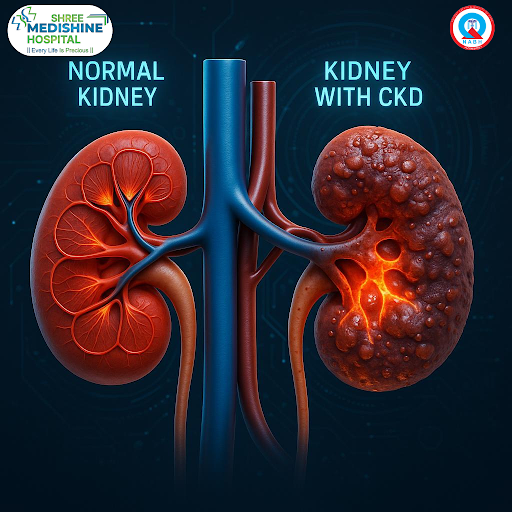
Kidney disease can develop gradually and may not cause noticeable symptoms in its early stages. Recognizing possible warning signs can help with early evaluation and appropriate treatment. Common signs include swelling in the feet or ankles, changes in urination, blood in the urine, persistent tiredness, nausea, difficulty concentrating, and high blood pressure. Diabetes, high blood pressure, obesity, family history, and certain medications can increase the risk of kidney problems. Regular health check-ups can help detect kidney disease early. If you notice persistent changes in urination, swelling, or unexplained fatigue, consult a Nephrology Specialist at Shree Medishine Hospital for proper evaluation and kidney care.
Kidney disease can develop gradually and may not cause noticeable symptoms in its early stages. R… post imageRead full post

Knee replacement surgery may be recommended when severe knee pain and joint damage make everyday…

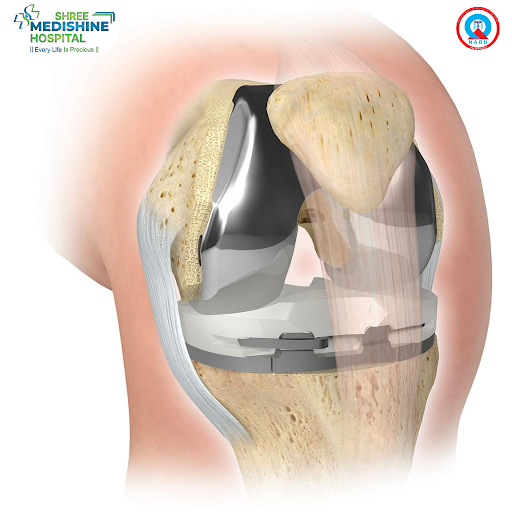
Knee replacement surgery may be recommended when severe knee pain and joint damage make everyday activities such as walking, climbing stairs, or standing difficult. It is generally considered when other treatments no longer provide sufficient relief. Common signs that knee replacement may need to be considered include persistent knee pain, severe arthritis, stiffness, swelling, difficulty walking, reduced knee movement, and pain that continues even during rest or at night. Before recommending surgery, an orthopedic specialist evaluates the patient's symptoms, physical condition, medical history, and imaging reports. Depending on the severity of the condition, treatment may include medications, physiotherapy, lifestyle changes, injections, or surgery. According to Dr. Susheel Sharma, Joint Replacement & Orthopedic Surgeon, timely evaluation can help determine whether knee replacement is appropriate and which treatment option is best suited to the patient's condition. If persistent knee pain is affecting your mobility or quality of life, consult Dr. Susheel Sharma at Shree Medishine Hospital for a comprehensive orthopedic evaluation and personalized treatment plan.

Knee replacement surgery may be recommended when severe knee pain and joint damage make everyday… post imageRead full post

Medical emergencies can happen suddenly and require immediate medical attention. Knowing the warn…

Medical emergencies can happen suddenly and require immediate medical attention. Knowing the warning signs can help you seek timely care and avoid serious complications. You should visit the Emergency Room for symptoms such as severe chest pain, difficulty breathing, sudden weakness or paralysis, loss of consciousness, seizures, uncontrolled bleeding, serious injuries, severe allergic reactions, or sudden confusion. Other warning signs such as severe abdominal pain, major fractures, serious burns, poisoning, or persistent vomiting may also require urgent medical evaluation. Do not ignore sudden or severe symptoms or delay emergency care by trying to treat them at home. Every second can matter during a medical emergency. At Shree Medishine Hospital, the Emergency & Critical Care Department provides prompt medical attention for emergencies with trained medical professionals, critical care support, diagnostic services, and emergency facilities. If you or someone around you experiences serious or sudden symptoms, seek immediate emergency medical care.

Read full post

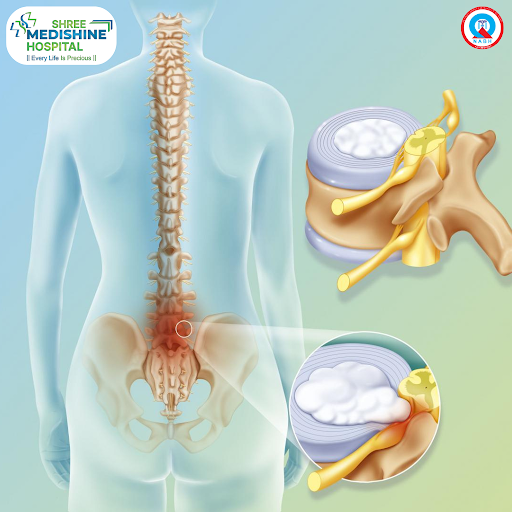
Chronic back pain is a common problem that can affect mobility, sleep, work, and daily activities…

Chronic back pain is a common problem that can affect mobility, sleep, work, and daily activities. While some mild back pain may improve naturally, persistent or recurring pain should be properly evaluated. Common causes include poor posture, muscle strain, slipped discs, arthritis, spinal degeneration, prolonged sitting, and previous injuries. Symptoms may include lower back pain, stiffness, muscle spasms, or pain that travels down the leg. Can Back Pain Heal Naturally? Mild back pain caused by muscle strain or poor posture may improve with gentle exercise, proper posture, physiotherapy, maintaining a healthy weight, and adequate rest. However, conditions such as nerve compression or a herniated disc may require professional treatment. At the Pain Management Clinic at Shree Medishine Hospital, treatment is planned according to the cause and severity of pain and may include medications, physiotherapy, rehabilitation, image-guided injections, and minimally invasive pain-management procedures. If your back pain persists, keeps returning, or affects your daily activities, consult the Pain Management Clinic at Shree Medishine Hospital for proper evaluation and personalized care.

Chronic back pain is a common problem that can affect mobility, sleep, work, and daily activities… post imageRead full post

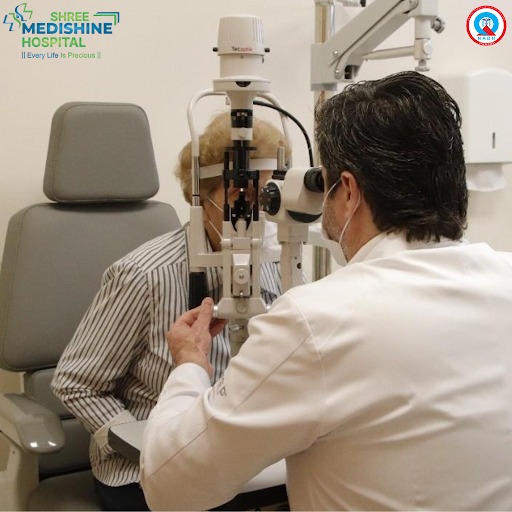
Regular eye check-ups can help detect vision problems and eye conditions at an early stage. Some…

Regular eye check-ups can help detect vision problems and eye conditions at an early stage. Some eye problems may develop gradually without obvious symptoms, making routine eye examinations important for maintaining good eye health. Common signs that you may need an eye check-up include blurred vision, frequent headaches, eye strain, difficulty seeing at night, increased sensitivity to light, watery or dry eyes, and difficulty reading or focusing. Sudden changes in vision should be evaluated promptly. Children, adults who use screens for long periods, people with diabetes or high blood pressure, and those with a family history of eye disease may benefit from regular eye examinations. According to Dr. Amrita Verma, Ophthalmology Specialist, regular eye examinations can help identify refractive errors and other eye conditions early, allowing appropriate treatment and better vision care. If you are experiencing changes in your vision or persistent eye discomfort, consult Dr. Amrita Verma at Shree Medishine Hospital for a comprehensive eye examination and personalized eye care.

Regular eye check-ups can help detect vision problems and eye conditions at an early stage. Some… post imageRead full post

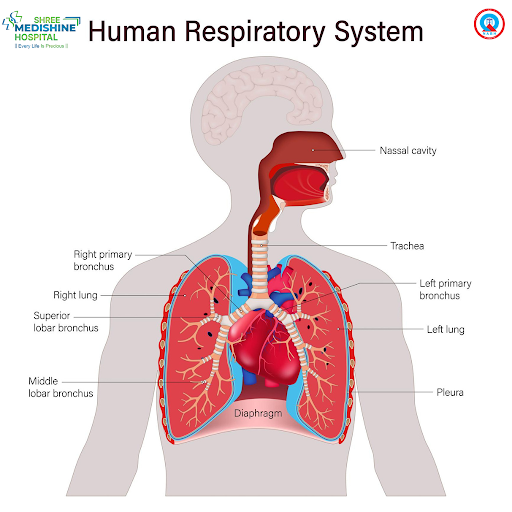
Shortness of breath, also called breathlessness or dyspnea, is the feeling of not getting enough…

Shortness of breath, also called breathlessness or dyspnea, is the feeling of not getting enough air or having difficulty breathing. It can occur temporarily after intense physical activity, but frequent or unexplained breathlessness may indicate an underlying health condition. Common causes include asthma, respiratory infections, COPD, allergies, pneumonia, heart conditions, anemia, anxiety, and other lung disorders. Smoking, air pollution, and prolonged exposure to dust or other irritants can also affect respiratory health. Symptoms may include rapid breathing, chest tightness, wheezing, coughing, fatigue, or difficulty breathing during routine activities. Sudden or severe breathlessness, especially when accompanied by chest pain, bluish lips, confusion, or fainting, requires immediate medical attention. According to a Pulmonologist, identifying the underlying cause is important for appropriate treatment. Depending on the condition, evaluation may include a physical examination, oxygen-level measurement, chest imaging, blood tests, or pulmonary function tests. If you experience persistent, recurrent, or unexplained shortness of breath, consult a Pulmonologist at Shree Medishine Hospital for proper evaluation and personalized respiratory care.

Shortness of breath, also called breathlessness or dyspnea, is the feeling of not getting enough… post imageRead full post

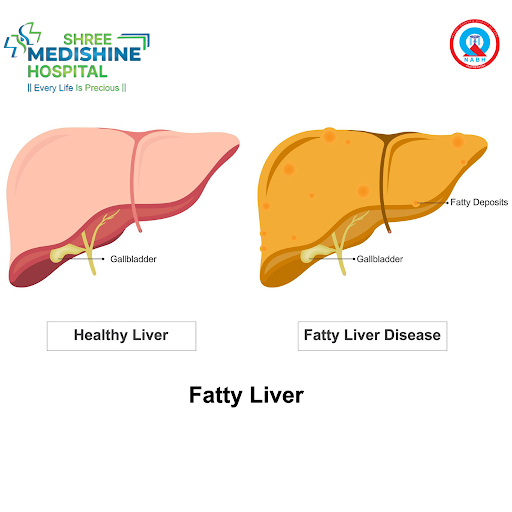
Fatty liver occurs when excess fat builds up in the liver. It can develop gradually and may not c…

Fatty liver occurs when excess fat builds up in the liver. It can develop gradually and may not cause noticeable symptoms in the early stages. However, if left unmanaged, fatty liver can sometimes progress to inflammation and liver damage. Common causes and risk factors include being overweight, diabetes, high cholesterol, unhealthy diet, lack of physical activity, and excessive alcohol consumption. Some people may have fatty liver without experiencing any symptoms. Possible symptoms include tiredness, discomfort in the upper right abdomen, weakness, and sometimes unexplained weight changes. Many cases are discovered during routine blood tests or abdominal imaging. How Can Fatty Liver Be Prevented? Maintaining a healthy weight, eating a balanced diet, exercising regularly, controlling blood sugar and cholesterol, and avoiding excessive alcohol can help support liver health. Regular medical check-ups can also help detect liver problems early. A gastroenterologist can recommend appropriate tests and guide treatment based on the underlying cause and severity of the condition. If you have been diagnosed with fatty liver or have risk factors for liver disease, consult a Gastroenterologist at Shree Medishine Hospital for proper evaluation and personalized liver care.

Fatty liver occurs when excess fat builds up in the liver. It can develop gradually and may not c… post imageRead full post

A patient who was experiencing persistent neurological symptoms and difficulty with daily activit…

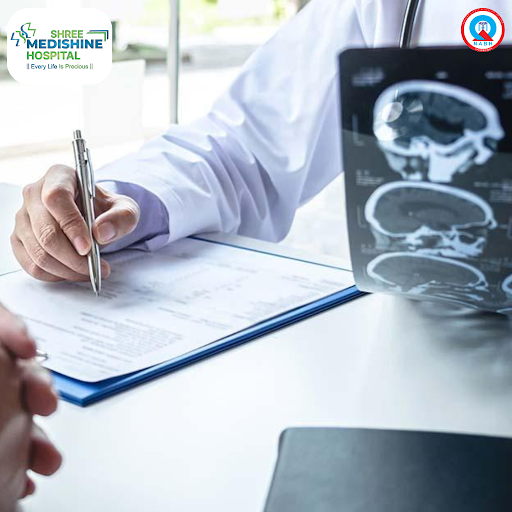
A patient who was experiencing persistent neurological symptoms and difficulty with daily activities underwent evaluation and treatment with the Neurosurgery/Neurology team at Shree Medishine Hospital. With appropriate diagnosis, treatment, and follow-up care, the patient experienced improvement in symptoms and overall quality of life. “The treatment and care I received gave me confidence throughout my recovery. I am thankful to Dr. Akshay Baid and the entire team for their support and guidance.” According to Dr. Akshay Baid, timely evaluation of neurological symptoms can help identify the underlying condition and guide appropriate treatment.

A patient who was experiencing persistent neurological symptoms and difficulty with daily activit… post imageRead full post

Headaches are common, but not every headache is the same. A migraine is a neurological condition…

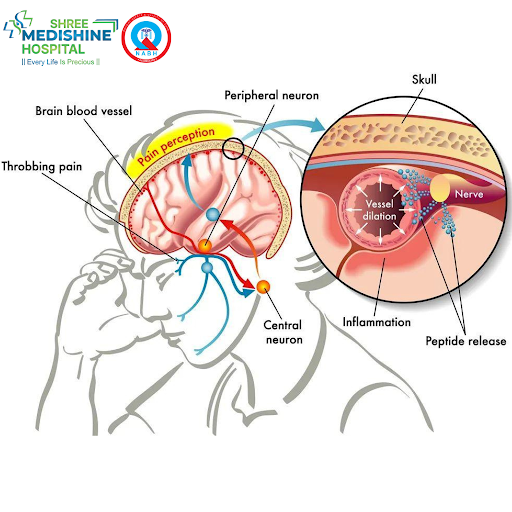
Headaches are common, but not every headache is the same. A migraine is a neurological condition that can cause moderate to severe, often throbbing pain and may interfere with daily activities. A normal tension-type headache is often felt as pressure or tightness around the head, while migraine may cause one-sided or throbbing pain, nausea, vomiting, and sensitivity to light or sound. Some people may also experience visual disturbances or other warning symptoms called an aura. Common migraine triggers include stress, lack of sleep, dehydration, skipped meals, certain foods, hormonal changes, and excessive screen exposure. Keeping track of headache patterns and triggers can help in managing recurring headaches. According to Dr. Akshay Baid, Neurology Specialist, frequent, severe, or changing headaches should be properly evaluated to identify the cause and plan appropriate treatment. If headaches are recurrent, severe, suddenly different, or affecting your daily life, consult Dr. Akshay Baid at Shree Medishine Hospital for neurological evaluation and personalized care.

Headaches are common, but not every headache is the same. A migraine is a neurological condition… post imageRead full post

PCOS (Polycystic Ovary Syndrome) is a common hormonal condition that can affect women of reproduc…

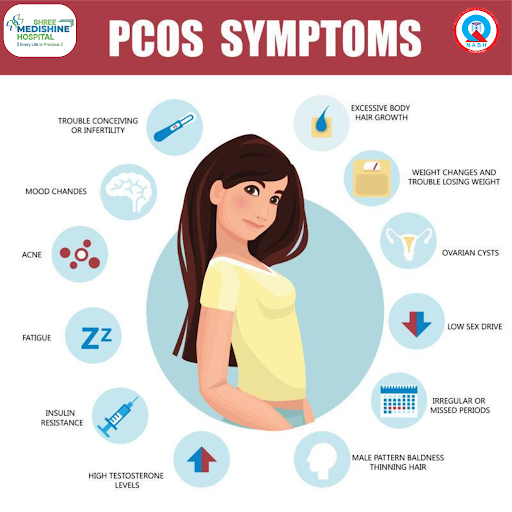
PCOS (Polycystic Ovary Syndrome) is a common hormonal condition that can affect women of reproductive age. Recognizing the symptoms early can help with proper diagnosis and long-term management. Common symptoms of PCOS include irregular or missed periods, excessive facial or body hair, acne, unexplained weight gain, hair thinning, and difficulty with fertility. Some women may experience only a few symptoms, while others may have several. PCOS can affect hormonal balance and may also be associated with insulin resistance and other metabolic concerns. If symptoms are persistent or your menstrual cycle has become irregular, it is important to consult a gynecologist rather than ignoring them. A gynecologist can evaluate your symptoms and recommend appropriate tests and lifestyle changes. Depending on individual needs, PCOS management may include healthy diet, regular exercise, weight management, medications, and fertility support. If you are experiencing symptoms of PCOS, consult a Gynecology Specialist at Shree Medishine Hospital for proper evaluation and personalized care.

PCOS (Polycystic Ovary Syndrome) is a common hormonal condition that can affect women of reproduc… post imageRead full post

Gallstones are hardened deposits that develop inside the gallbladder. While some people may have…

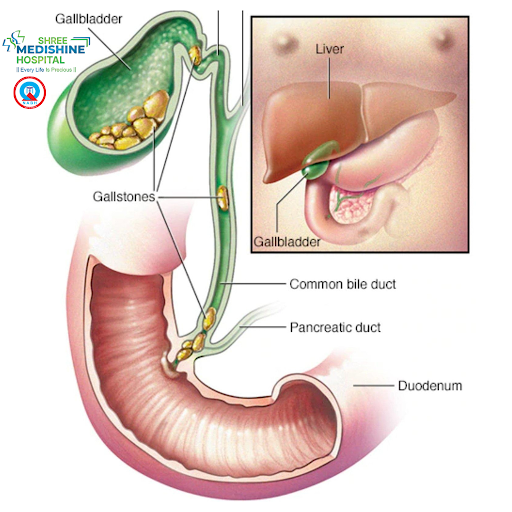
Gallstones are hardened deposits that develop inside the gallbladder. While some people may have gallstones without symptoms, they can sometimes block the bile ducts and cause significant pain or inflammation. Common symptoms include sudden pain in the upper right abdomen, pain after eating fatty foods, nausea, vomiting, bloating, indigestion, fever, or pain spreading to the back or right shoulder. Not every gallstone requires surgery. However, recurrent pain, inflammation, infection, bile duct blockage, or complications caused by gallstones may require treatment. Laparoscopic gallbladder removal (cholecystectomy) is a commonly performed minimally invasive procedure. According to Dr. Ankit Soni, General & Laparoscopic Surgeon, timely evaluation can help identify gallstone-related complications and determine the most appropriate treatment. If you experience repeated abdominal pain, vomiting, fever, or other symptoms associated with gallstones, consult Dr. Ankit Soni at Shree Medishine Hospital for proper evaluation and personalized surgical care. SEO Keywords

Gallstones are hardened deposits that develop inside the gallbladder. While some people may have… post imageRead full post

Heart disease can develop gradually, and some warning signs may be easy to overlook. Recognizing…

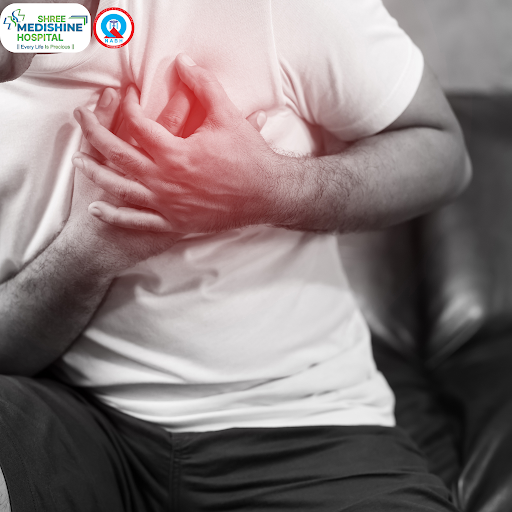
Heart disease can develop gradually, and some warning signs may be easy to overlook. Recognizing symptoms early and seeking medical attention can help with timely diagnosis and treatment. 5 Warning Signs of Heart Disease 1. Chest Pain or Pressure: Discomfort, tightness, or pressure in the chest, especially during activity, should not be ignored. 2. Shortness of Breath: Breathlessness during routine activities or at rest may indicate a heart or lung problem. 3. Unusual Fatigue: Persistent or unexplained tiredness can sometimes be associated with heart problems. 4. Dizziness or Fainting: Feeling light-headed or experiencing unexplained fainting requires medical evaluation. 5. Fast or Irregular Heartbeat: Frequent palpitations or an irregular heartbeat may need assessment by a cardiologist. If you experience severe chest pain, significant difficulty breathing, fainting, or other sudden symptoms, seek emergency medical care immediately. Regular health check-ups, healthy eating, physical activity, and management of blood pressure, cholesterol, and diabetes can help reduce cardiovascular risk. If you are experiencing persistent or unusual symptoms, consult a Cardiology Specialist at Shree Medishine Hospital for proper evaluation and personalized heart care.

Heart disease can develop gradually, and some warning signs may be easy to overlook. Recognizing… post imageRead full post