Skip to content
Raipur, Chhattisgarh, 492001

Business hours

Shree Medishine Hospital

Monday
24 hours
Tuesday
24 hours
Wednesday
24 hours
Thursday
24 hours
Friday
24 hours
Saturday
24 hours
Sunday
24 hours

You can anytime during the day with your query.

+919827115715

Latest Posts & Updates

Fresh stories, announcements and offers about Hospital, Health counselor, Private hospital, straight from our business.

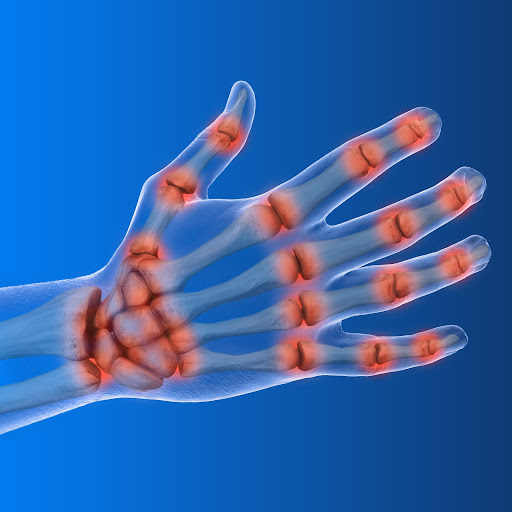
Waking up with stiff and painful joints is common, but if the stiffness lasts for a long time eve…

Waking up with stiff and painful joints is common, but if the stiffness lasts for a long time every morning, it could be a sign of an underlying joint condition like arthritis. Signs You Should Pay Attention To Joint stiffness lasting more than 30 minutes after waking up Swelling or tenderness in joints Pain in fingers, wrists, knees, or ankles Difficulty moving after rest Repeated episodes of joint pain Is It Always Arthritis? Not all joint pain is arthritis. Conditions like rheumatoid arthritis, autoimmune diseases, and other rheumatic disorders can also cause morning stiffness and require proper evaluation. When Should You Consult a Rheumatologist? If your joint stiffness continues for weeks, affects daily activities, or is associated with swelling, consult a specialist for early diagnosis and treatment. At Shree Medishine Hospital, Raipur, Dr. Ashlesha Shukla, Consultant Rheumatologist, provides expert care for arthritis, autoimmune diseases, and rheumatic conditions. Early diagnosis and timely treatment can help protect your joints and improve your quality of life.
Waking up with stiff and painful joints is common, but if the stiffness lasts for a long time eve… post imageRead full post

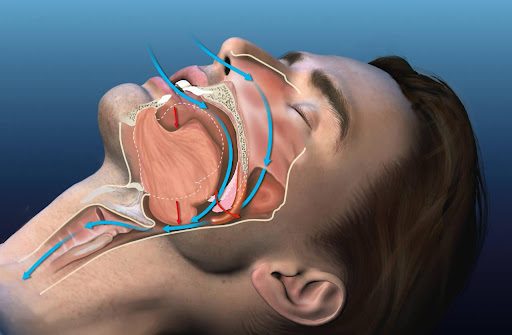
Obstructive Sleep Apnea (OSA) is a common sleep disorder where breathing repeatedly stops and sta…

Obstructive Sleep Apnea (OSA) is a common sleep disorder where breathing repeatedly stops and starts during sleep due to blockage of the airway. If left untreated, it can affect your overall health and quality of life. Common Signs of Sleep Apnea Loud and frequent snoring Pauses in breathing during sleep Waking up tired despite enough sleep Morning headaches Excessive daytime sleepiness Difficulty concentrating Risks of Untreated Sleep Apnea Untreated OSA may increase the risk of: High blood pressure Heart problems Poor blood sugar control Stroke risk Daytime fatigue and accidents Diagnosis & Treatment A sleep study (polysomnography) helps diagnose sleep apnea. Treatment options may include lifestyle changes, CPAP therapy, and other advanced treatments based on severity. At Shree Medishine Hospital, Raipur, Dr. Ranjan Patel, Consultant Pulmonologist, provides expert evaluation and treatment for sleep disorders and breathing problems. Don't ignore loud snoring or poor sleep quality. Timely diagnosis can help you sleep better and protect your health.

Obstructive Sleep Apnea (OSA) is a common sleep disorder where breathing repeatedly stops and sta… post imageRead full post

Back pain is common, but when it's caused by a slip disc (herniated disc), ignoring the symptoms…

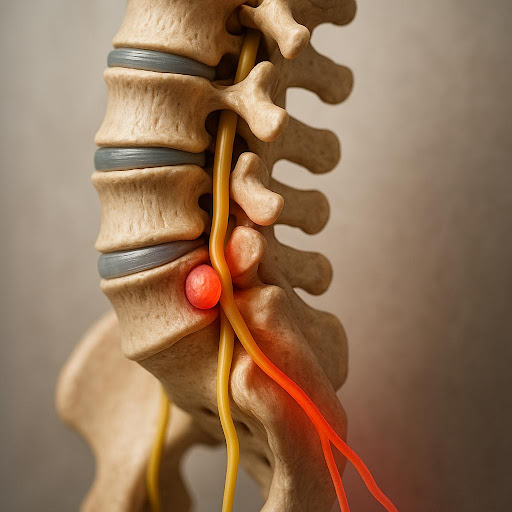
Back pain is common, but when it's caused by a slip disc (herniated disc), ignoring the symptoms can lead to serious nerve problems. Symptoms You Shouldn't Ignore Persistent lower back or neck pain Pain radiating to the leg or arm (sciatica) Numbness or tingling Muscle weakness Difficulty walking or standing for long periods When to See a Neurosurgeon If your pain lasts for several weeks, worsens over time, or is accompanied by weakness or numbness, consult a specialist without delay. At Shree Medishine Hospital, Raipur, Dr. Akshay Baid, Consultant Brain & Spine Surgeon, offers advanced diagnosis and treatment for slip disc and other spine conditions. Early treatment can help relieve pain, prevent complications, and restore your quality of life.

Back pain is common, but when it's caused by a slip disc (herniated disc), ignoring the symptoms… post imageRead full post

Patient Success Story

A patient suffering from severe knee pain and difficulty walking found lasting relief after undergoing knee replacement surgery under the care of Dr. Susheel Sharma, Orthopedic & Joint Replacement Surgeon, at Shree Medishine Hospital, Raipur. Following surgery and guided rehabilitation, the patient experienced: Significant reduction in knee pain Improved mobility and walking ability Greater confidence in daily activities Better overall quality of life At Shree Medishine Hospital, we are committed to providing advanced orthopedic care with personalized treatment and comprehensive rehabilitation to help patients regain an active, pain-free life. If chronic knee pain is limiting your daily routine, consult Dr. Susheel Sharma to explore the right treatment options.

Read full post

Occasional acidity after a spicy meal is common, but if you experience heartburn or acid reflux f…

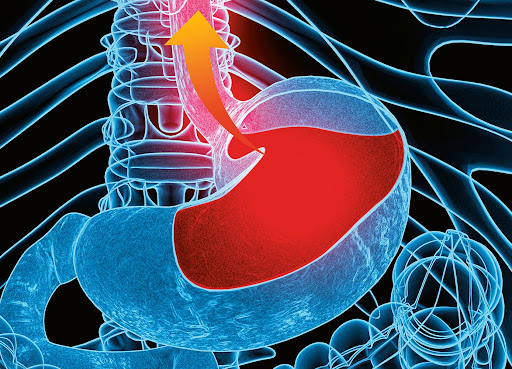
Occasional acidity after a spicy meal is common, but if you experience heartburn or acid reflux frequently, it could be Gastroesophageal Reflux Disease (GERD). Acidity vs GERD Acidity Occurs occasionally Usually triggered by spicy or oily food Improves with lifestyle changes or antacids GERD Heartburn more than twice a week Sour taste or acid coming into the mouth Chest discomfort, chronic cough, or difficulty swallowing Symptoms keep returning despite medication When Should You See a Gastroenterologist? Consult a specialist if: Acidity occurs frequently Symptoms last for several weeks Over-the-counter medicines don't help You have difficulty swallowing or unexplained weight loss At Shree Medishine Hospital, Raipur, Dr. Sanjay Agrawal, Consultant Gastroenterologist, provides expert diagnosis and treatment for acidity, GERD, and other digestive disorders. Don't ignore persistent acidity—early treatment can prevent complications and improve your digestive health.

Occasional acidity after a spicy meal is common, but if you experience heartburn or acid reflux f… post imageRead full post

Knee pain that doesn't improve with medicines or physiotherapy could be a sign of severe arthriti…

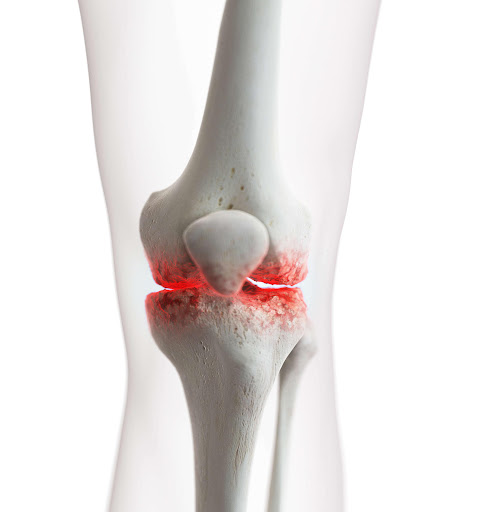
Knee pain that doesn't improve with medicines or physiotherapy could be a sign of severe arthritis. If left untreated, it can make everyday activities like walking, climbing stairs, or standing for long periods difficult. Signs You Shouldn't Ignore Persistent knee pain Difficulty walking or climbing stairs Stiffness after sitting or waking up Frequent knee swelling Bowed or deformed knees Pain affecting your daily routine When Is Knee Replacement Needed? If non-surgical treatments no longer provide relief and your knee pain is affecting your quality of life, knee replacement surgery may be the best option. At Shree Medishine Hospital, Raipur, Dr. Susheel Sharma, Orthopedic & Joint Replacement Surgeon, provides expert evaluation and advanced treatment to help patients regain pain-free movement. Don't ignore chronic knee pain. Early consultation can help you choose the right treatment and get back to an active life.

Knee pain that doesn't improve with medicines or physiotherapy could be a sign of severe arthriti… post imageRead full post

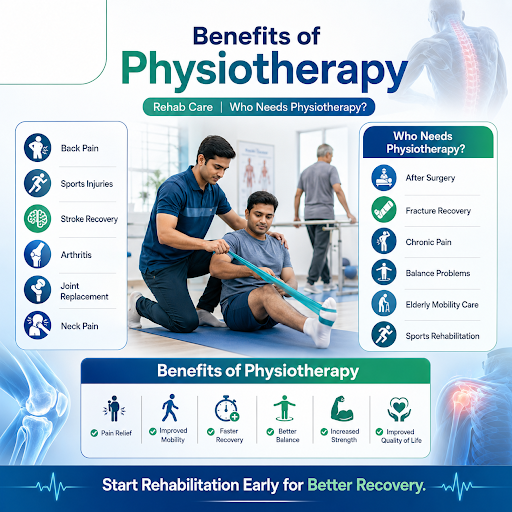
Rehab Care | Who Needs Physiotherapy?

Physiotherapy is an effective, non-surgical treatment that helps restore movement, reduce pain, and improve strength after an injury, surgery, or medical condition. It plays a vital role in rehabilitation by helping people regain mobility, improve balance, and return to their daily activities safely. Whether you are recovering from an orthopedic injury, stroke, or chronic pain, physiotherapy can significantly improve your quality of life. Many conditions can benefit from physiotherapy, including back pain, neck pain, arthritis, sports injuries, fractures, joint replacement surgery, frozen shoulder, stroke rehabilitation, muscle weakness, and neurological disorders. It is also beneficial for individuals recovering from surgery, those with balance problems, or people experiencing reduced mobility due to aging. Common signs that you may need physiotherapy include persistent pain, stiffness, difficulty walking, reduced joint movement, muscle weakness, poor balance, difficulty performing daily activities, or slow recovery after an injury or surgery. Early rehabilitation can help prevent long-term complications and promote faster healing. Who Needs Physiotherapy? Physiotherapy is recommended for: People recovering from fractures or surgery Patients with chronic back, neck, or joint pain Individuals recovering from stroke or neurological conditions Athletes with sports injuries Elderly individuals with balance or mobility problems Patients
Rehab Care | Who Needs Physiotherapy? post imageRead full post

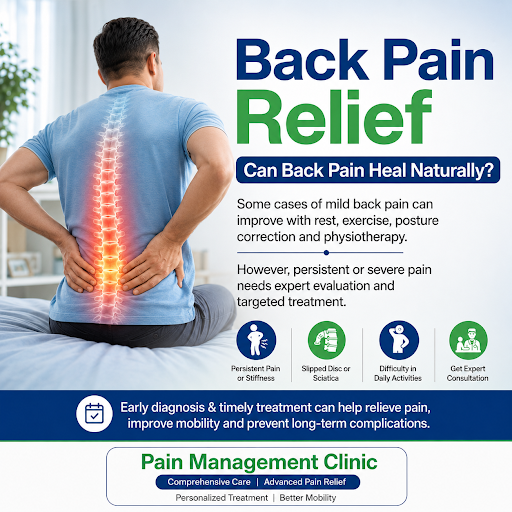
Back Pain Relief | Can Back Pain Heal Naturally?

Chronic back pain is a common condition that affects millions of people and can interfere with work, sleep, and everyday activities. Unlike temporary back pain, chronic back pain lasts for more than 12 weeks and may persist even after the initial injury has healed. While mild back pain may improve naturally with proper care, persistent or severe pain should not be ignored. Some of the most common causes of chronic back pain include poor posture, muscle strain, slipped (herniated) discs, arthritis, spinal degeneration, osteoporosis, obesity, prolonged sitting, and previous back injuries. People with physically demanding jobs, sedentary lifestyles, or advancing age are at a higher risk of developing chronic back problems. Common symptoms include persistent lower back pain, stiffness, muscle spasms, pain that radiates to the legs (sciatica), difficulty standing or walking for long periods, numbness, tingling, and reduced flexibility. Mild back pain may improve with rest, posture correction, stretching exercises, and physiotherapy. However, severe pain, weakness in the legs, or loss of bladder or bowel control requires immediate medical attention. Can Back Pain Heal Naturally? Some cases of mild back pain caused by muscle strain or poor posture can improve with adequate rest, regular exercise, weight management, and physiotherapy. However, back pain caused by conditions such as slipped discs, spinal arthritis, or nerve compress

Read full post

Emergency Services | Emergency Warning Signs

Medical emergencies can happen without warning and require immediate attention. Knowing when to visit the Emergency Room (ER) can make a critical difference in saving lives and preventing serious complications. Delaying emergency care may lead to permanent disability or life-threatening conditions. Some of the most common emergencies include severe chest pain, difficulty breathing, sudden weakness or paralysis, uncontrolled bleeding, severe head injuries, loss of consciousness, seizures, burns, poisoning, major fractures, and severe allergic reactions. High fever with confusion, persistent vomiting, or sudden severe abdominal pain also require urgent medical evaluation. Common emergency warning signs include: Sudden chest pain or pressure Difficulty breathing or choking Signs of stroke (facial drooping, arm weakness, slurred speech) Severe bleeding that won't stop Loss of consciousness or fainting Severe head injury Sudden vision loss or confusion Major burns or fractures Severe allergic reactions with swelling or breathing difficulty Do not ignore these symptoms or attempt to self-medicate during an emergency. Calling for immediate medical help or visiting the nearest Emergency Department can significantly improve treatment outcomes. At Shree Medishine Hospital, our 24×7 Emergency & Critical Care Department is equipped with advanced life-saving technology, experienced emergency physicians, critical care specialists, trained

Emergency Services | Emergency Warning Signs post imageRead full post

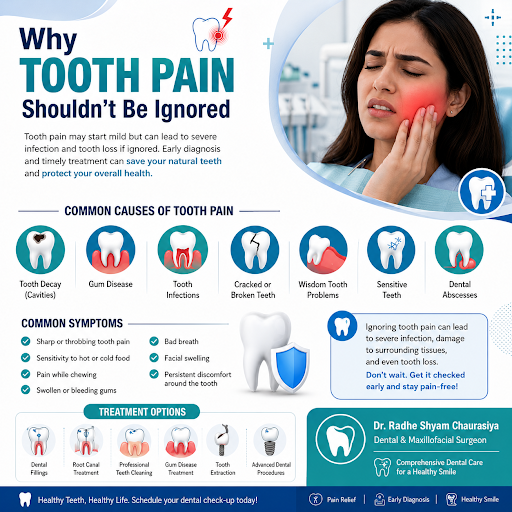
Why Tooth Pain Shouldn't Be Ignored

Tooth pain is one of the most common dental problems and should never be ignored. While a mild toothache may seem temporary, persistent pain can be a sign of an underlying dental condition that requires prompt treatment. Delaying dental care may lead to worsening infection, damage to the tooth, or even tooth loss. Some of the most common causes of tooth pain include tooth decay (cavities), gum disease, tooth infections, cracked or broken teeth, wisdom tooth problems, sensitive teeth, and dental abscesses. Poor oral hygiene, excessive consumption of sugary foods, smoking, and untreated dental problems can increase the risk of developing severe tooth pain. Common symptoms include sharp or throbbing tooth pain, sensitivity to hot or cold foods, pain while chewing, swollen gums, bad breath, facial swelling, bleeding gums, or persistent discomfort around the affected tooth. While temporary relief may be achieved with pain medication, persistent or severe tooth pain should always be evaluated by a dental specialist. According to Dr. Radhe Shyam Chaurasiya, Dental & Maxillofacial Surgeon, early diagnosis and timely treatment can prevent complications and help preserve your natural teeth. Depending on the cause, treatment may include dental fillings, root canal treatment, professional teeth cleaning, gum disease treatment, tooth extraction, or other advanced dental procedures. If you are experiencing persistent tooth pain, swollen gums, or dif

Why Tooth Pain Shouldn't Be Ignored post imageRead full post

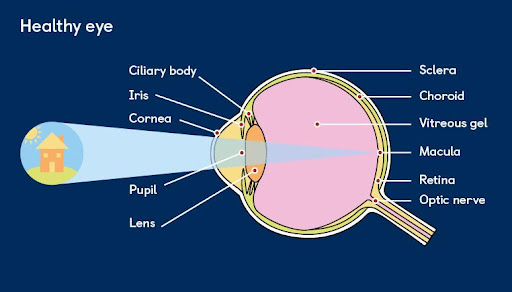
Signs You Need an Eye Check-up

Healthy vision is essential for everyday activities such as reading, driving, working, and enjoying life. While many eye conditions develop gradually without noticeable symptoms, regular eye examinations can help detect problems early and protect your vision. Delaying an eye check-up may increase the risk of permanent vision loss from conditions that are treatable in their early stages. Some of the most common signs that indicate you need an eye examination include blurred vision, frequent headaches, eye strain, difficulty seeing at night, double vision, redness, excessive tearing, sensitivity to light, floaters, flashes of light, or sudden changes in vision. People with diabetes, high blood pressure, a family history of eye disease, or those over the age of 40 should have regular eye check-ups. How Often Should Eyes Be Checked? Children: Before starting school and as recommended by an eye specialist. Adults (18–40 years): Every 2 years if there are no vision problems. Adults above 40 years: Once every year to screen for age-related eye diseases. People with diabetes, glaucoma, or other eye conditions: As advised by an ophthalmologist. According to Dr. Shruti Verma, Ophthalmologist, routine eye examinations help detect conditions such as cataracts, glaucoma, diabetic retinopathy, refractive errors, dry eye disease, and age-related macular degeneration before they affect your vision permanently. If you experience persistent vision changes, e

Signs You Need an Eye Check-up post imageRead full post