Skip to content
Raipur, Chhattisgarh, 492001

Business hours

Shree Medishine Hospital

Monday
24 hours
Tuesday
24 hours
Wednesday
24 hours
Thursday
24 hours
Friday
24 hours
Saturday
24 hours
Sunday
24 hours

You can anytime during the day with your query.

+919827115715

Latest Posts & Updates

Fresh stories, announcements and offers about Hospital, Health counselor, Private hospital, straight from our business.

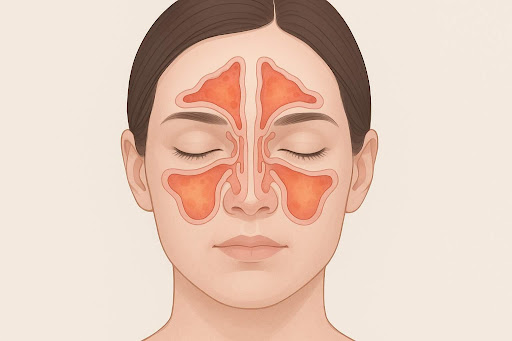
Frequent sinus infections can be frustrating and may affect your daily life by causing persistent…

Frequent sinus infections can be frustrating and may affect your daily life by causing persistent nasal congestion, facial pain, headaches, and difficulty breathing. While an occasional sinus infection is common, repeated episodes may indicate an underlying condition that requires evaluation by an ENT specialist. Common causes of recurrent sinus infections include allergies, nasal polyps, a deviated nasal septum, viral infections, weakened immunity, air pollution, smoking, and chronic inflammation of the sinuses. People with allergic rhinitis, asthma, or frequent colds are at a higher risk of developing chronic sinus problems. Typical symptoms include blocked nose, thick nasal discharge, facial pressure or pain, headache, reduced sense of smell, post-nasal drip, sore throat, bad breath, and a cough that worsens at night. If these symptoms last for more than 10 days or keep returning several times a year, medical evaluation is recommended. According to Dr. Shruti Hishiker, ENT Specialist at Shree Medishine Hospital, early diagnosis can help identify the root cause and prevent long-term complications. Treatment may include medications, allergy management, nasal saline irrigation, lifestyle modifications, or minimally invasive endoscopic sinus surgery when necessary. If you are experiencing repeated sinus infections or persistent nasal blockage, consult Dr. Shruti Hishiker, ENT Specialist, at Shree Medishine Hospital for a comprehensive evaluation and personalized treatment

Frequent sinus infections can be frustrating and may affect your daily life by causing persistent… post imageRead full post

Best Exercises for Healthy Knees: Expert Joint Care Tips by Dr. Susheel Sharma

Healthy knees are essential for walking, climbing stairs, exercising, and staying active throughout life. As we age, the muscles supporting the knee joint may weaken, increasing the risk of pain, stiffness, and arthritis. Regular low-impact exercises can strengthen the muscles around the knees, improve flexibility, and reduce the risk of joint problems. According to Dr. Susheel Sharma, Joint Replacement & Orthopedic Surgeon, staying physically active is one of the best ways to protect your knees. Simple exercises performed consistently can improve joint stability, reduce pressure on the knees, and help maintain mobility. Best Exercises for Healthy Knees Straight Leg Raises: Strengthen the thigh muscles without putting pressure on the knee joint. Wall Squats: Improve the strength of the quadriceps, glutes, and knees. Perform only within a comfortable range. Hamstring Stretches: Increase flexibility and reduce stiffness behind the knee. Calf Raises: Build strength in the lower legs and improve balance. Step-Ups: Enhance knee stability and support daily activities like climbing stairs. Walking or Cycling: Low-impact exercises that improve joint movement and overall fitness without excessive strain. Avoid sudden high-impact activities if you already have knee pain. Always warm up before exercising and maintain a healthy body weight to reduce stress on your knee joints. If you experience persistent

Best Exercises for Healthy Knees: Expert Joint Care Tips by Dr. Susheel Sharma post imageRead full post

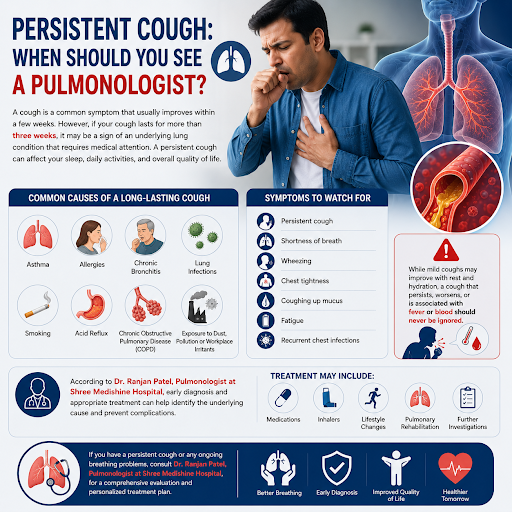
A cough is a common symptom that usually improves within a few weeks. However, if your cough last…

A cough is a common symptom that usually improves within a few weeks. However, if your cough lasts for more than three weeks, it may be a sign of an underlying lung condition that requires medical attention. A persistent cough can affect your sleep, daily activities, and overall quality of life. Common causes of a long-lasting cough include asthma, allergies, chronic bronchitis, lung infections, smoking, acid reflux, and chronic obstructive pulmonary disease (COPD). Exposure to dust, pollution, or workplace irritants can also contribute to ongoing respiratory problems. Along with a persistent cough, you may experience shortness of breath, wheezing, chest tightness, coughing up mucus, fatigue, or recurrent chest infections. While mild coughs may improve with rest and hydration, a cough that persists, worsens, or is associated with fever or blood should never be ignored. According to Dr. Ranjan Patel, Pulmonologist at Shree Medishine Hospital, early diagnosis and appropriate treatment can help identify the underlying cause and prevent complications. Treatment may include medications, inhalers, lifestyle changes, pulmonary rehabilitation, or further investigations depending on the condition. If you have a persistent cough or any ongoing breathing problems, consult Dr. Ranjan Patel, Pulmonologist at Shree Medishine Hospital, for a comprehensive evaluation and personalized treatment plan
A cough is a common symptom that usually improves within a few weeks. However, if your cough last… post imageRead full post

A cough is a common symptom that usually improves within a few weeks. However, if your cough last…

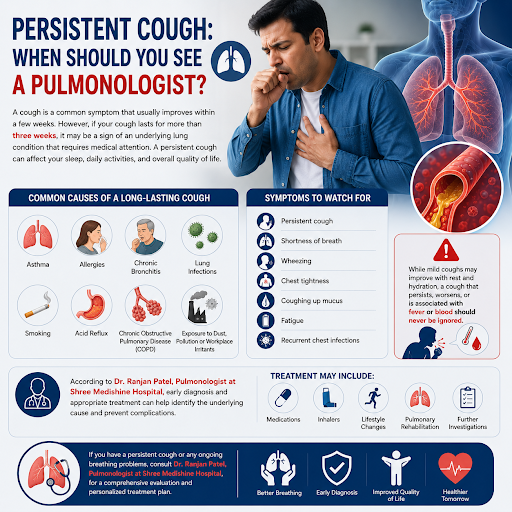
A cough is a common symptom that usually improves within a few weeks. However, if your cough lasts for more than three weeks, it may be a sign of an underlying lung condition that requires medical attention. A persistent cough can affect your sleep, daily activities, and overall quality of life. Common causes of a long-lasting cough include asthma, allergies, chronic bronchitis, lung infections, smoking, acid reflux, and chronic obstructive pulmonary disease (COPD). Exposure to dust, pollution, or workplace irritants can also contribute to ongoing respiratory problems. Along with a persistent cough, you may experience shortness of breath, wheezing, chest tightness, coughing up mucus, fatigue, or recurrent chest infections. While mild coughs may improve with rest and hydration, a cough that persists, worsens, or is associated with fever or blood should never be ignored. According to Dr. Ranjan Patel, Pulmonologist at Shree Medishine Hospital, early diagnosis and appropriate treatment can help identify the underlying cause and prevent complications. Treatment may include medications, inhalers, lifestyle changes, pulmonary rehabilitation, or further investigations depending on the condition. If you have a persistent cough or any ongoing breathing problems, consult Dr. Ranjan Patel, Pulmonologist at Shree Medishine Hospital, for a comprehensive evaluation and personalized treatment plan.
A cough is a common symptom that usually improves within a few weeks. However, if your cough last… post imageRead full post

Kidney disease often develops silently, with many people experiencing no symptoms in its early st…

Kidney disease often develops silently, with many people experiencing no symptoms in its early stages. Because the kidneys play an important role in filtering waste, balancing fluids, and regulating blood pressure, even mild damage can affect your overall health. Early detection is the key to preventing serious kidney problems. Some of the earliest signs of kidney disease include swelling in the feet, ankles, or face, frequent urination (especially at night), foamy or bloody urine, persistent fatigue, loss of appetite, nausea, muscle cramps, and difficulty concentrating. People with diabetes, high blood pressure, obesity, or a family history of kidney disease are at a higher risk and should undergo regular kidney check-ups. If these symptoms are ignored, kidney function may continue to decline, leading to chronic kidney disease and, in severe cases, kidney failure. Simple blood and urine tests can help detect kidney problems before they become serious. According to Dr. Tushar Bhadure, Nephrologist at Shree Medishine Hospital, early diagnosis and timely treatment can slow the progression of kidney disease and help preserve kidney function. Treatment may include lifestyle changes, blood pressure and diabetes management, medications, dietary modifications, and regular follow-up care. If you notice any early signs of kidney disease or have risk factors such as diabetes or high blood pressure, consult Dr. Tushar Bhadure, Nephrologist at Shree Medishine Hospital, for a comprehensiv

Kidney disease often develops silently, with many people experiencing no symptoms in its early st… post imageRead full post

Acidity is a common digestive problem that causes a burning sensation in the chest, sour taste in…

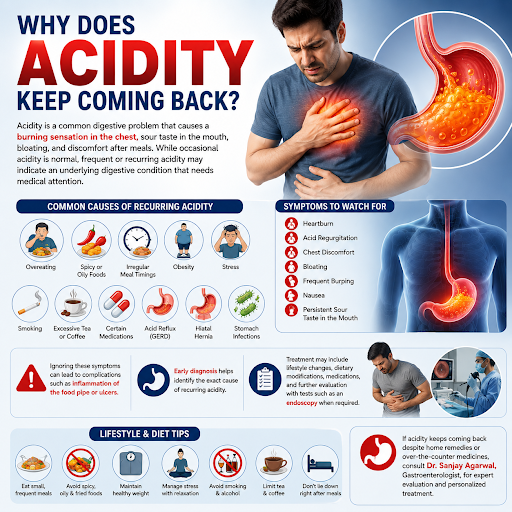
Acidity is a common digestive problem that causes a burning sensation in the chest, sour taste in the mouth, bloating, and discomfort after meals. While occasional acidity is normal, frequent or recurring acidity may indicate an underlying digestive condition that needs medical attention. Common causes of recurring acidity include overeating, spicy or oily foods, irregular meal timings, obesity, stress, smoking, excessive tea or coffee, and certain medications. In some cases, it may be caused by acid reflux (GERD), a hiatal hernia, or stomach infections. Symptoms may include heartburn, acid regurgitation, chest discomfort, bloating, frequent burping, nausea, or a persistent sour taste in the mouth. Ignoring these symptoms can lead to complications such as inflammation of the food pipe or ulcers. Early diagnosis helps identify the exact cause of recurring acidity. Treatment may include lifestyle changes, dietary modifications, medications, and further evaluation with tests such as an endoscopy when required. If acidity keeps coming back despite home remedies or over-the-counter medicines, consult Dr. Sanjay Agarwal, Gastroenterologist, for expert evaluation and personalized treatment.

Acidity is a common digestive problem that causes a burning sensation in the chest, sour taste in… post imageRead full post

Meta Title: FAST Signs of Stroke | Symptoms & Expert Neurology Care by Dr. Akshay Baid

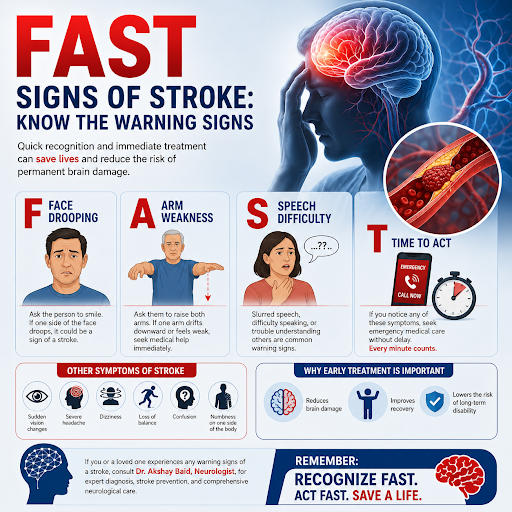
Meta Description: Learn the FAST signs of stroke, common symptoms, and why early treatment is crucial. Consult Dr. Akshay Baid for expert neurological care. What Are the FAST Signs of a Stroke? A stroke is a medical emergency that occurs when the blood supply to the brain is blocked or interrupted. Quick recognition and immediate treatment can save lives and reduce the risk of permanent brain damage. What Does FAST Stand For? F – Face Drooping: Ask the person to smile. If one side of the face droops, it could be a sign of a stroke. A – Arm Weakness: Ask them to raise both arms. If one arm drifts downward or feels weak, seek medical help immediately. S – Speech Difficulty: Slurred speech, difficulty speaking, or trouble understanding others are common warning signs. T – Time to Act: If you notice any of these symptoms, seek emergency medical care without delay. Every minute counts. What Are the Other Symptoms of a Stroke? Other warning signs include sudden vision changes, severe headache, dizziness, loss of balance, confusion, or numbness on one side of the body. Why Is Early Treatment Important? Timely treatment can reduce brain damage, improve recovery, and lower the risk of long-term disability. If you or a loved one experiences any warning signs of a stroke, consult Dr. Akshay Baid, Neurologist, for expert diagnosis, stroke prevention, and comprehensive neurological care.

Meta Title: FAST Signs of Stroke | Symptoms & Expert Neurology Care by Dr. Akshay Baid post imageRead full post

Heart disease is one of the leading causes of health problems worldwide, but early detection and…

Heart disease is one of the leading causes of health problems worldwide, but early detection and timely treatment can save lives. Many heart conditions develop gradually and may not show obvious symptoms until they become serious. Common risk factors include high blood pressure, diabetes, high cholesterol, smoking, obesity, stress, lack of physical activity, unhealthy eating habits, and a family history of heart disease. People over the age of 40 and those with these risk factors should have regular heart check-ups. Symptoms may include chest pain or discomfort, shortness of breath, palpitations, dizziness, excessive fatigue, swelling in the legs, or pain radiating to the arm, jaw, or back. These symptoms should never be ignored. Early diagnosis through ECG, 2D Echo, TMT, and other cardiac investigations helps detect heart problems before complications occur. Treatment may include lifestyle changes, medications, minimally invasive procedures, or advanced cardiac care depending on the condition. If you or your loved one is experiencing any heart-related symptoms, consult Dr. Jogesh Vishandashani, Cardiologist, for expert evaluation, accurate diagnosis, and personalized heart care. A healthy heart is the key to a healthy life.

Heart disease is one of the leading causes of health problems worldwide, but early detection and… post imageRead full post

Why Does Joint Pain Increase with Age?

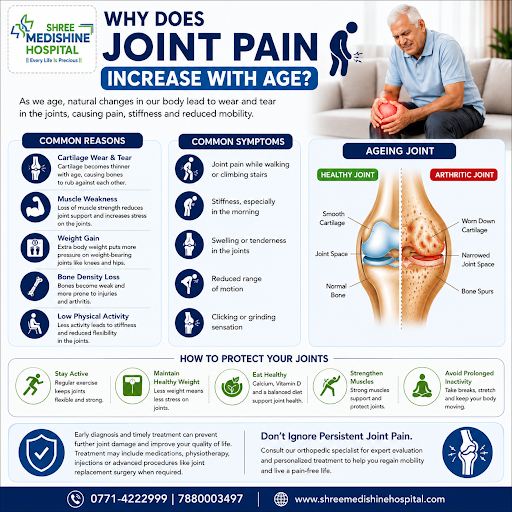
Joint pain becomes more common with age because the protective cartilage that cushions the joints gradually wears down over time. As muscles weaken and joint flexibility decreases, everyday activities such as walking, climbing stairs, or standing for long periods can become painful. The most common cause is osteoarthritis, but previous injuries, obesity, osteoporosis, and reduced physical activity can also contribute to joint pain. The knees, hips, shoulders, and spine are the joints most frequently affected. Common symptoms include joint pain, stiffness, swelling, reduced movement, difficulty walking, and a clicking or grinding sensation in the joints. Early diagnosis is important to prevent further joint damage and maintain mobility. According to Dr. Susheel Sharma, Joint Replacement & Orthopedic Surgeon, treatment depends on the cause and severity of the condition. It may include lifestyle changes, physiotherapy, medications, joint injections, or knee replacement surgery when required. If you are experiencing persistent joint pain or stiffness, consult Dr. Susheel Sharma at Shree Medishine Hospital for expert diagnosis and personalized orthopedic care.

Why Does Joint Pain Increase with Age? post imageRead full post

Brain Tumor: Myths vs Facts

Hearing the words "brain tumor" can be frightening, but many people believe myths that are not true. Knowing the facts can help you seek the right treatment without unnecessary fear. Myth: Every brain tumor is cancer. Fact: Not all brain tumors are cancerous. Some are benign (non-cancerous) and grow slowly, while others are malignant (cancerous) and need immediate treatment. Myth: Every headache is a sign of a brain tumor. Fact: Most headaches are caused by stress, migraine, sinus problems, or lack of sleep. However, persistent headaches accompanied by vomiting, seizures, or vision changes should be evaluated by a doctor. Myth: Brain tumors affect only older people. Fact: Brain tumors can occur at any age, including in children and young adults. Myth: Brain tumors cannot be treated. Fact: With advances in modern medicine, many brain tumors can be successfully treated through surgery, radiation therapy, chemotherapy, or targeted treatments, depending on the type and stage. According to Dr. Akshay Baid, Neurosurgeon, early diagnosis is the key to successful treatment. If you experience persistent headaches, seizures, weakness, difficulty speaking, or changes in vision, consult a specialist without delay. Remember: Early detection and timely treatment can improve outcomes and help patients lead a healthier life.

Read full post

Why Does Shoulder Pain Get Worse at Night?

Do you experience severe shoulder pain while sleeping at night? If yes, you may be suffering from Frozen Shoulder, also known as Adhesive Capsulitis or Periarthritis Shoulder. This is a common condition that causes pain, stiffness, and difficulty moving the shoulder. People with diabetes, thyroid disorders, or neck problems are more likely to develop frozen shoulder. In the early stages, you may notice pain while sleeping on the affected side, difficulty lifting your arm, or stiffness while performing everyday activities like dressing or combing your hair. The good news is that early treatment can prevent the condition from getting worse. Physiotherapy is one of the most effective treatments in the initial stage. Regular stretching and guided exercises can help reduce pain, improve shoulder movement, and restore flexibility. However, if frozen shoulder is ignored for several months, it can progress to an advanced stage where shoulder movement becomes severely restricted. In such cases, surgery may be required. Treatment options include Manipulation Under General Anaesthesia (MUA) or Arthroscopic Release, a minimally invasive procedure that removes the tight tissues restricting shoulder movement. According to Dr. Susheel Sharma, Joint Replacement & Orthopedic Surgeon, seeking medical advice at the first sign of shoulder pain can help avoid surgery and ensure faster recovery. Don't ignore persistent shoulder pain. Early diagnosis

Read full post

Why Do Young Adults Experience Knee Pain?

Many people believe that knee pain only affects older adults, but that's not true. Even people in their 20s and 30s can develop knee pain for several reasons. Identifying the exact cause is important because the right treatment depends on the underlying problem. One common cause is a meniscus injury, especially in people who play sports like football, cricket, badminton, or other high-impact activities. A sudden twist or fall can damage the cartilage inside the knee, leading to pain, swelling, and difficulty walking. If you are not involved in sports but still have knee pain, your doctor may recommend a serum uric acid test. High uric acid levels can lead to gout, a condition that causes sudden pain, swelling, and inflammation in the joints. In some people, especially those with sickle cell disease, the real problem may not be in the knee at all. Damage to the hip joint can cause pain that is felt in the knee, a condition known as referred pain. This is why a proper medical evaluation is essential. According to Dr. Susheel Sharma, Joint Replacement & Orthopedic Surgeon, persistent knee pain should never be ignored. An X-ray and a detailed clinical examination can help identify the exact cause and ensure timely treatment. Early diagnosis and the right treatment can help you stay active and prevent long-term joint problems.

Read full post